Table of Contents
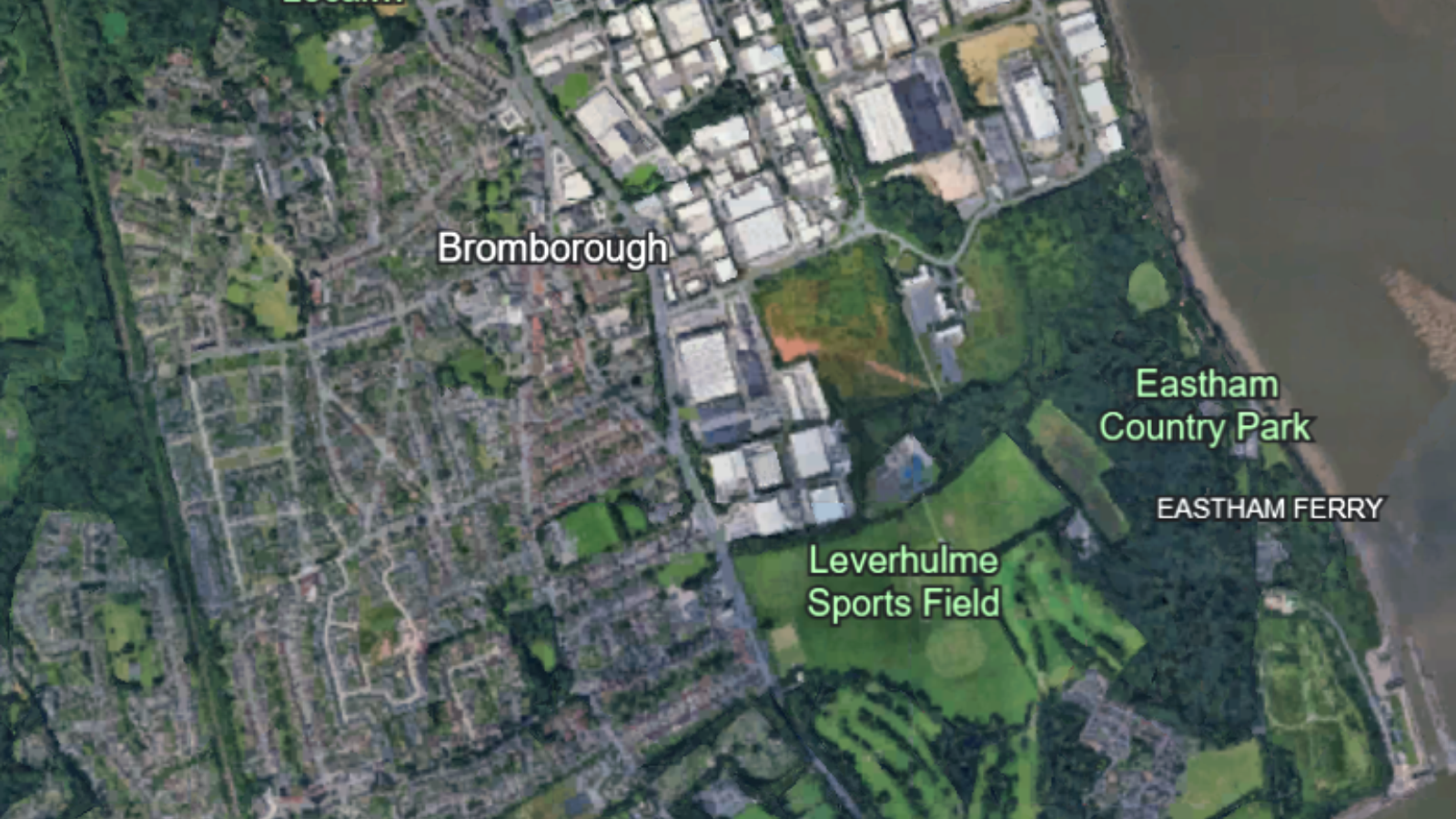
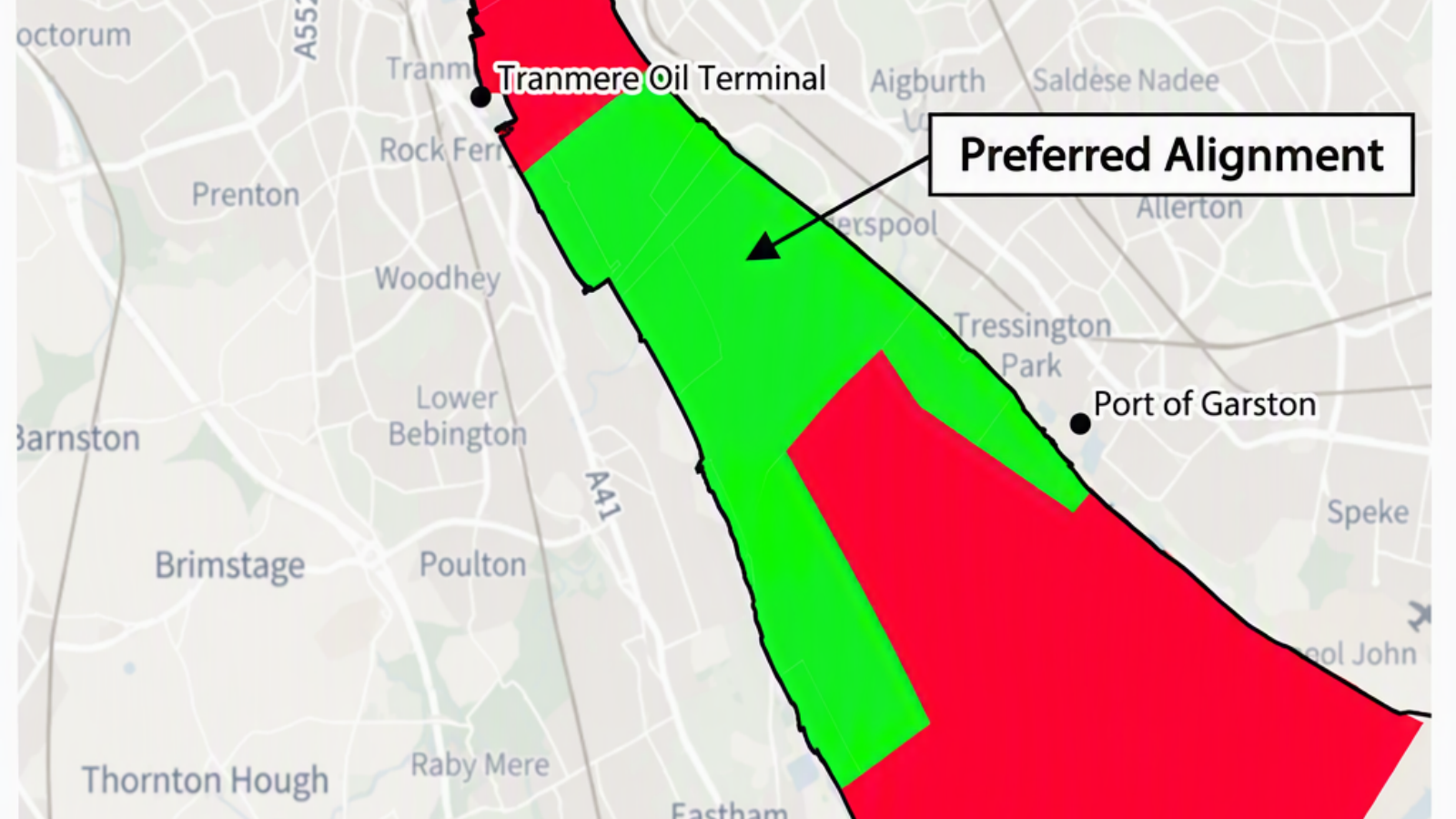
A stretch of the River Mersey between Bromborough and Otterspool has been chosen as the preferred location for what could become the world's largest tidal power scheme.
Liverpool City Region Combined Authority will be asked to approve a preferred alignment corridor, covering a 1.5-mile stretch of the river between the Wirral and Liverpool banks, at its meeting on Friday, 6 November. The decision will determine if the decision can progress to the next phase of a Development Consent order (DCO) application.
If the Mersey Tidal Power Project goes ahead, the barrage could generate up to one gigawatt of electricity for 120 years, and help protect homes and businesses from rising sea levels.
The project is also expected to create thousands of jobs in construction across the region.
The Mersey's tidal range reaches up to 10 metres, the second highest in the UK.
Metro Mayor Steve Rotheram said: "For as long as I can remember, people have talked about harnessing the power of the River Mersey. Identifying where the barrage could be built is a major step forward for a project that has the potential to be genuinely transformational."
Councillor Angela Ball, cabinet member for energy and environment, called it "a once-in-a-generation opportunity to deliver clean, affordable energy while protecting our communities".
Approving the corridor would allow detailed engineering, environmental and commercial work to start ahead of a planning application.
The exact design has not been finalised. Further work will look at how the barrage could sit alongside shipping channels on the river, including options using locks.
Like the Peak Cluster pipeline, the scheme is classed as a Nationally Significant Infrastructure Project, so it would need Government consent.
No building work would start until planning consent was granted and a final investment decision made, which is currently expected in 2030.
An earlier consultation in 2024 drew more than 3,000 responses, with 84% backing the project.
A second round of public engagement is planned for late 2027 or early 2028.