Table of Contents
Wirral Council has made its view on the controversial plans to create a carbon dioxide pipeline that could run through the borough clear, with emergency planning responsibilities emerging as a key concern.
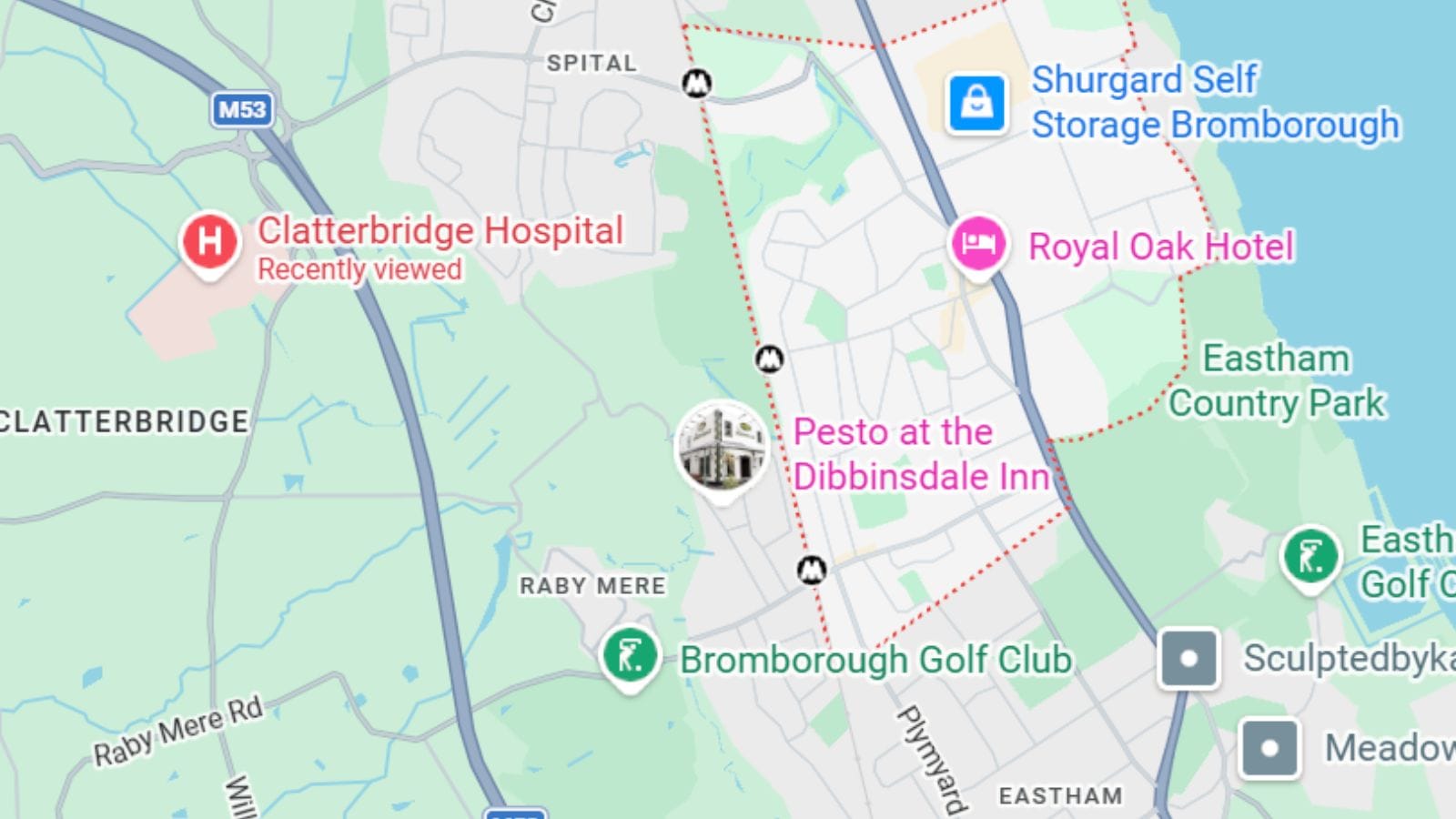
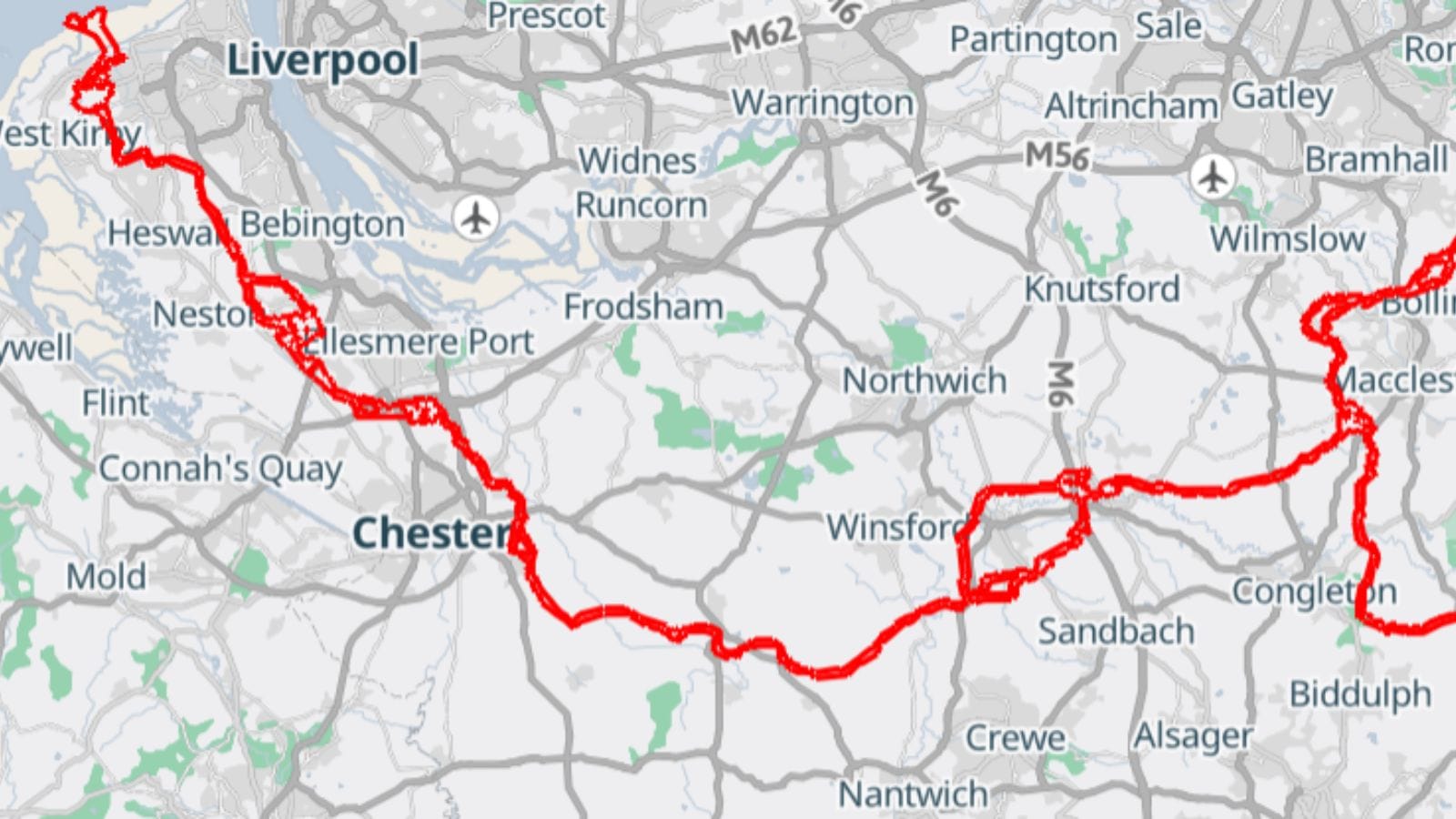
The Peak Cluster scheme would transport C02 emissions from cement factories in the Peak District, moving through Cheshire and the Wirral before compressing the gas and sending it under the sea. The scheme has local links, including its location and Essar's Tranmere oil terminal.
The plans also involve creating a compression facility near Meols or Moreton, and, if approved, construction could start in 2029 and last until 2023. The cost is estimated to be around £5 billion!
According to the Wirral Globe, it was reported this week that emergency planning and associated costs, if the pipeline has problems, would be local councils' responsibility to fix in working with the Peak Cluster.
Discussions are taking place at a national level to clarify expectations around emergency planning requirements.
Council leader Paula Basnett said in a statement: "Wirral Council has made extremely clear its steadfast opposition to the proposed Peak Cluster pipeline through the borough and this has not changed. This council will continue to put the needs of residents first, ensuring their safety and protection whatever the outcome of the ongoing Peak Cluster consultation."
She added that should the project progress, the council would ensure appropriate emergency planning arrangements are in place in accordance with legal requirements.
Opposition to the pipeline has been mainly concentrated in Wirral, where residents and landowners have raised environmental, economic and safety concerns. Campaigners argue the project would cause "irreversible" damage to rural areas, threaten livelihoods and harm biodiversity, describing the technology as "unproven" and "high risk".
Laura Beveridge-Muircroft, chair of campaign group Action Against Carbon Capture Storage AACCS, said: "Technically, it's always the local authority's responsibility for the emergency plan, but the issue we have is it's an exceptionally new and specialist area, and therefore the cost of training and equipment will fall to local authorities. We have no clue what PC will offer in terms of financial support or what the long-term costs are for residents."
She noted that Essar has its own emergency response on site due to the specialised and dangerous nature of its operations, questioning whether the proposed compression site would operate under the same strict regulations.
David Parkin, chief executive of Peak Cluster, said to the publication that every local authority in the country is responsible for managing the impact of any major incident within its area. He said Wirral Council, via the Merseyside Resilience Forum, already has plans for managing many potential incident risks, including pipelines, and that Peak Cluster would work in collaboration with local authorities to extend their plan.