Table of Contents
A Bebington primary school teacher walked unaided out of Wirral University Teaching Hospital less than 24 hours after suffering a serious stroke, crediting a new pre-hospital triage system with his remarkable recovery.
As reported by Birkenhead News, Martyn Olver, 47, was sitting at home watching his son play a video game when he experienced what he described as being "like a flick of a switch". A sudden intense headache was followed by severe pain in his right eye, then numbness spreading through his arm and leg. By the time paramedics arrived within 10 minutes of his father's 999 call, Martyn could barely stand.
Martyn didn't know, but his call was actually part of a remote triage system that was working to save time during medical emergencies like his.
Wirral University Teaching Hospital has joined a Cheshire and Merseyside-wide trial with North West Ambulance Service, running a 24-hour pre-hospital triage service for suspected stroke patients since January 2026.
Remote consultations are allowed between ambulance crews, control rooms and hospital stroke specialists, so they can review symptoms and medical history, and book scans in advance, even while the patient is on their way to the hospital.
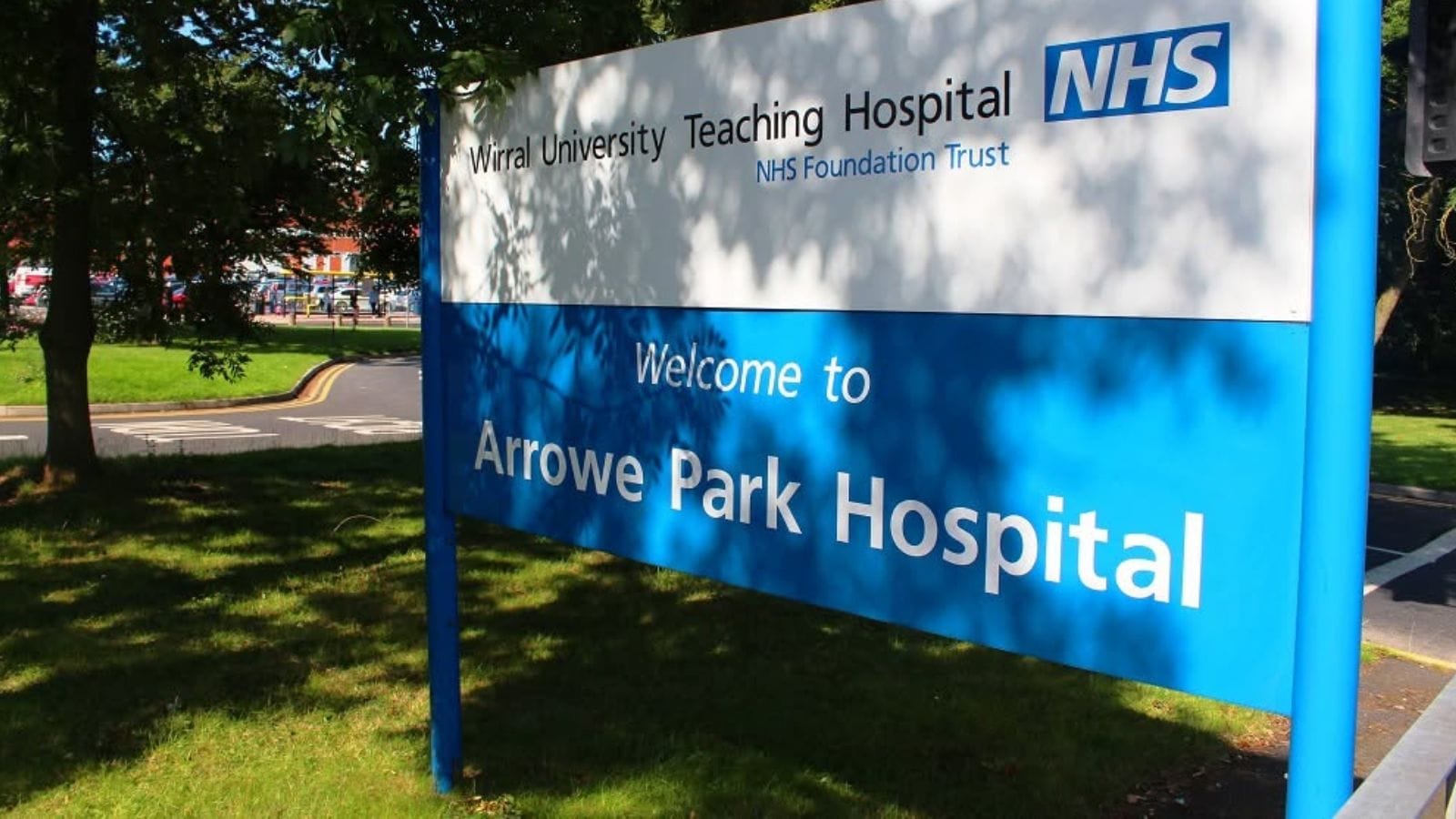
The stroke team at Arrowe Park Hospital already met Martyn when he was taken there, where he had an immediate CT scan and was given a clot-dissolving injection. From his father's phone call to receiving treatment on the stroke ward took less than two and a half hours.
"I could not fault the care I received," Martyn said. "Every single person was top drawer, from the ambulance crew to the staff in A&E, CT department and on the ward where a nurse called Chris sat with me through the night. Chris was fantastic, checking my stats every 15 minutes and putting me at my ease at a very frightening time."
Immediately after receiving the injection, Martyn could start to move his right arm again. Remarkably, he also began walking unassisted the next day and was discharged from the hospital. Three months later, he was back teaching.
The trust is now looking to introduce full digital communication, enabling specialists to assess patients in real time through video devices carried by ambulance crews whilst still en route to hospital.
Stroke Consultant Dr Ruth Davies said: "There is a phrase 'time is brain' which perfectly explains the need to get treatment started fast. During a stroke, nearly two million brain cells are lost for every minute that passes without treatment, so every second counts."
The public is urged to remember the FAST acronym – Face, Arms, Speech, Time – and call 999 immediately if symptoms appear.
Martyn urged those with symptoms to call 999 or ask for help, even if symptoms are just like a "bad headache".
Janelle Holmes, Chief Executive of Wirral University Teaching Hospital, said around 700 stroke patients are treated at the trust each year and said she was "incredibly proud" of hospital staff and their partners for delivering specialist and quick care.