Table of Contents
An NHS lung cancer screening programme has reached a crucial milestone and has detected 1,000 cancers across the Wirral, parts of Merseyside, and Cheshire.
According to Birkenhead News, the Lung Cancer Screening Programme has achieved the number after five years. Reports say around 80 percent of cancers detected via the programme were found to be at stage one or two, which generally offers better outcomes.
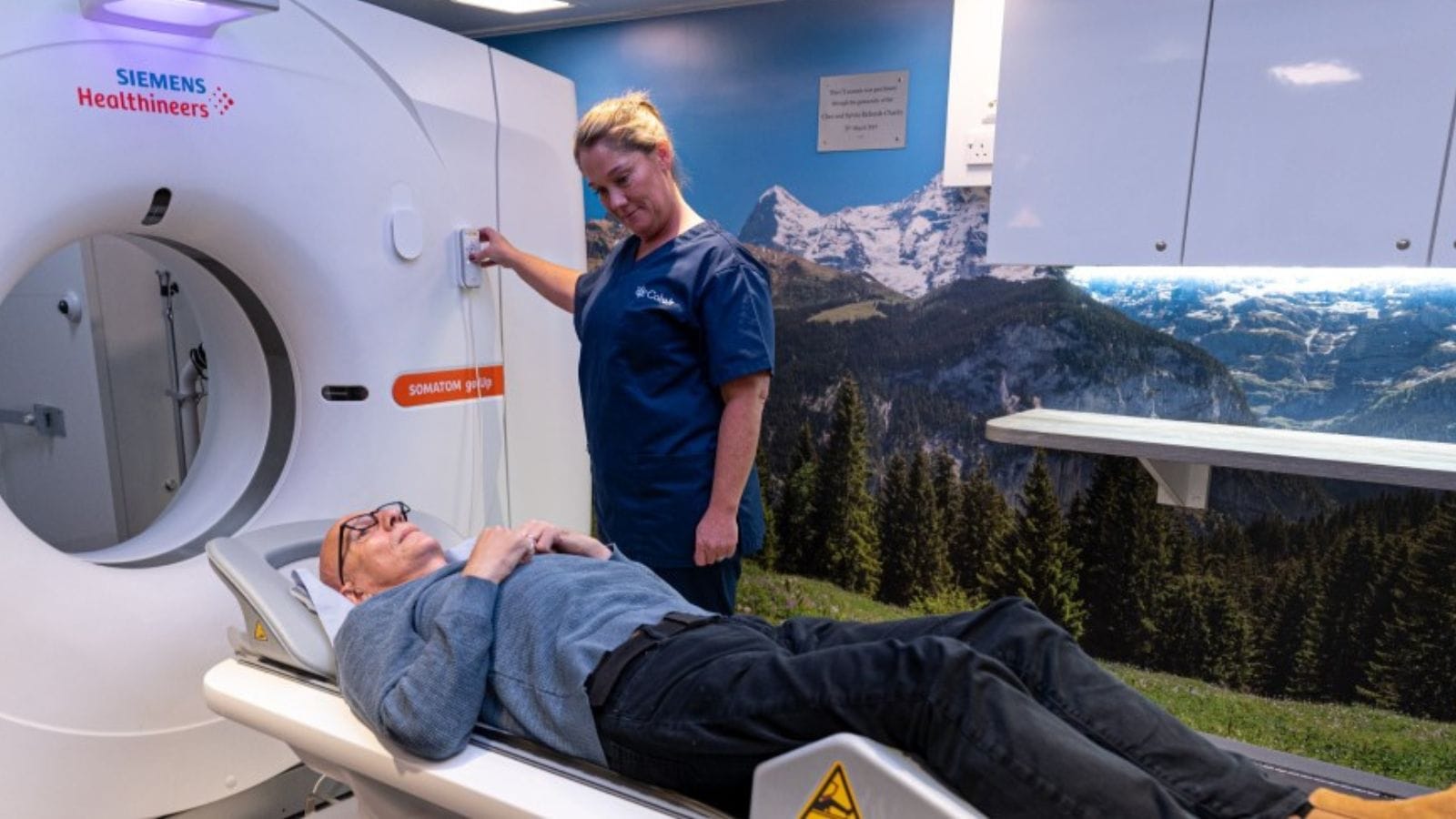
55- and 74-year-olds who smoke or previously smoked are invited for a telephone lung health check. Anyone identified to be at higher risk of cancer is offered a low-dose and fast CT scan, which works from a mobile unit in community locations.
Wirral residents may have used the service already, as it is available here, in Liverpool, St Helens, Halton, Sefton, and Knowsley, and there are plans to expand it further into Cheshire in the spring of next year. Hundreds of thousands of eligible people have already been invited for the CT scan and telephone consultation.
The brains behind the operation are the Cheshire and Merseyside Cancer Alliance and the programme is delivered by Liverpool Heart and Chest Hospital NHS Foundation Trust, working with NHS Cheshire and Merseyside, GP practices, local authorities and community partners.
Dr Chris Warburton, Clinical Director of the Lung Screening Programme, who helped pioneer the checks while working as a consultant at Aintree Hospital, said in a statement: "This is a tremendous milestone in a screening programme that is turning on its head the traditional poor outcomes of people diagnosed with lung cancer.
"Our teams are proud to deliver this programme in communities across Cheshire and Merseyside, making checks as convenient and accessible as possible for those most at risk," he continued.
Jon Hayes, Managing Director of Cheshire and Merseyside Cancer Alliance, said: "Cheshire and Merseyside was one of the first areas of the country to have this screening programme and reaching 1,000 cancers detected shows how effective it has been.
"Lung cancer is often diagnosed late because people may not have symptoms until the disease is more advanced. Screening changes that by finding cancer earlier, when treatment is more likely to be successful and, in many cases, potentially curative."
Mr Hayes urged anyone who meets the criteria and who has been invited to take part in the programme. Invitations are sent to those in eligible areas, and are either emailed or texted to patients, and followed up through a telephone appointment.
For more information, please visit: https://www.lhch.nhs.uk/lung-health-check.