Table of Contents
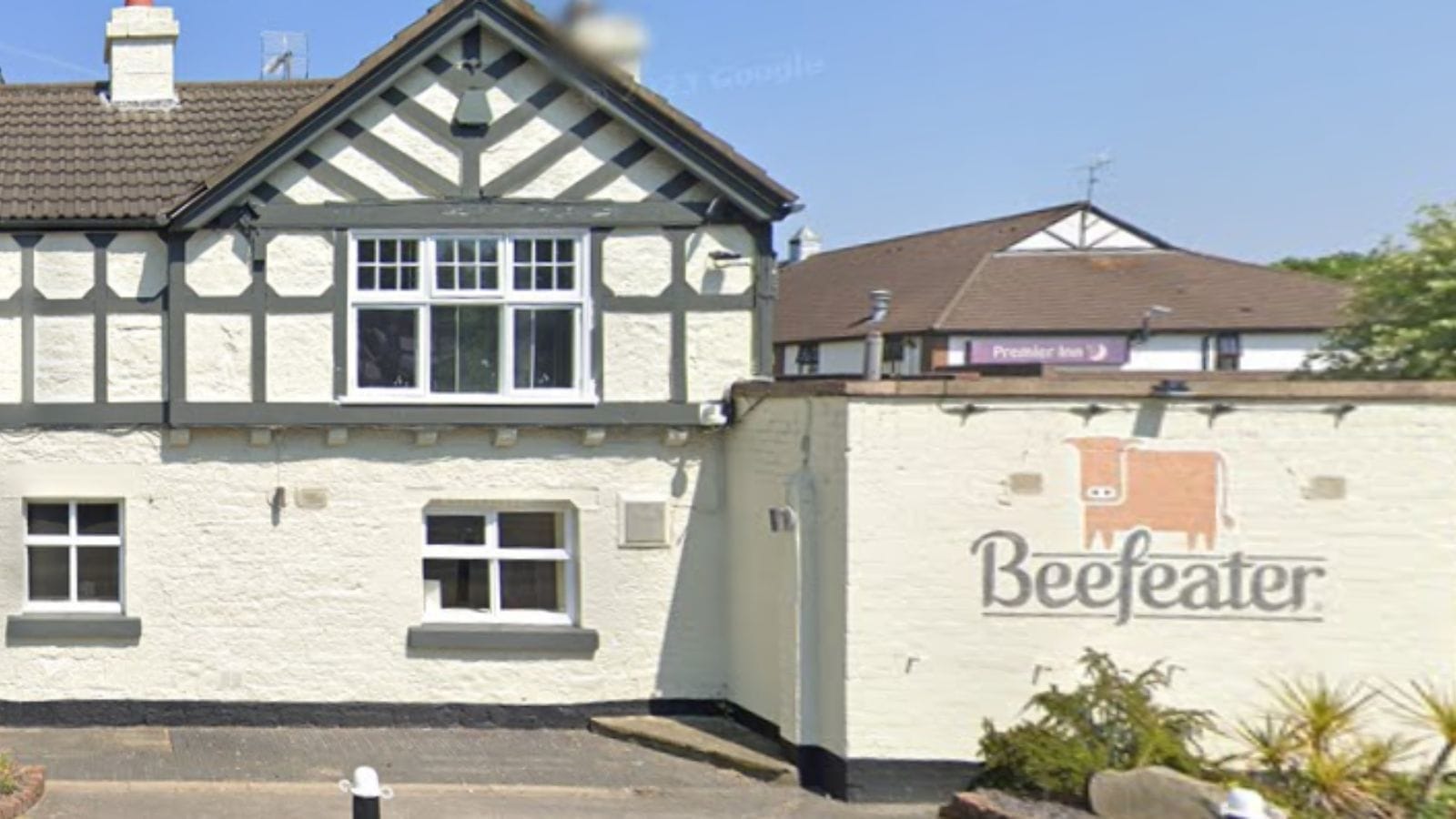
Plans to demolish the historic Glegg Arms and replace it with a Premier Inn hotel extension have been thrown out by Wirral councillors.
The plans were submitted back in June, a year after previous plans were withdrawn over design concerns.
As reported by the Wirral Globe, members of Wirral Council's planning committee voted six to three to refuse planning permission for Whitbread's proposed new venture.
If approved, the current restaurant and former pub would've been demolished and replaced with a new hotel building with 31 bedrooms linked to the Premier Inn that sits on the Chester Road site.
The development did have some support, with some council offers arguing the plans would have more benefits than losses, because the building is a non-designated heritage asset. This relates to buildings that have historic value but aren't traditionally categorised.
Reform UK councillor Kathy Hodson forced the application to a committee hearing amid concerns about the loss of a heritage asset. More than 600 people also signed a petition calling for the plans to be refused.
Local community group The Heswall Society has been openly opposed to the plans. In one post, they said "the current application shows no indication that alternative approaches to deliver the extra rooms that could retain the façade have been explored."
Councillor Hodson addressed the committee and argued that alternatives could be explored to preserve the building while delivering the same number of hotel rooms.
She said: "That makes a central question unavoidable: what does demolition deliver that justifies losing this historic building forever? As a Heswall ward councillor I ask you to refuse this application as the evidence provided does not provide a convincing answer."
On the other side, people have argued the pub is an important local landmark, with its history dating back to the 19th century. There was also the point raised concerned with whether Whitbread had explored less harmful alternatives than the current proposed plans.
Speaking on behalf of Whitbread, the applicant's agent said the company had thoroughly assessed alternatives before bringing forward the demolition proposal.
The agent pointed to significant damp issues within the building, the scale and cost of repairs required and ceiling heights that fall below current hotel standards.
The committee also heard that the restaurant had not been profitable "for some time" and that keeping it was not considered a viable option. The building was said to be too large to operate as a guest-only restaurant linked to the hotel.
Committee chairman Councillor Stuart Kelly said he remained unconvinced that the arguments in favour of demolition outweighed the loss of the heritage asset. He said: "I'm not clear that the benefits of demolition are not outweighed by the total loss of the heritage asset."
Planning officers came to a conclusion that even though demolition would result in the loss of a historic building, its significance was limited in comparison to the economic benefits the plans would produce.
Other benefits mentioned included local tourism support and economic boosts, and ensuring the hotel had a long-term future.